
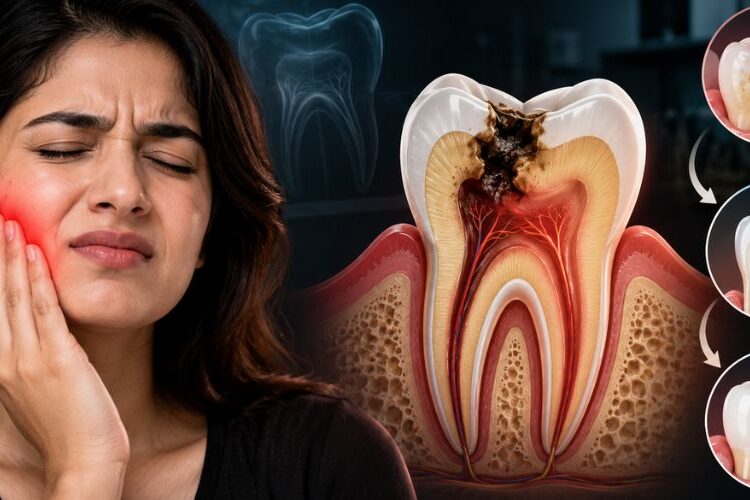
A damaged or painful tooth can make everyday activities such as eating, drinking, and sleeping difficult. While some dental problems can be treated with a simple filling, others may affect the soft tissue inside the tooth and require more advanced treatment.
Root canal treatment is commonly recommended when the pulp-the living tissue inside a tooth-becomes severely inflamed, infected, or damaged. The procedure aims to remove the affected tissue, clean the inside of the tooth, and seal it so the natural tooth can be preserved.
At Green Park Dental, patients can receive a detailed dental examination to identify the cause of tooth pain or damage and understand whether root canal treatment is appropriate.
What Is Root Canal Treatment?
Root canal treatment is a dental procedure used to treat infection or serious inflammation within the pulp of a tooth.
The pulp contains nerves, blood vessels, and connective tissue. Deep tooth decay, cracks, trauma, or repeated dental procedures can allow bacteria to reach the pulp. When the damage becomes severe, the pulp may not recover on its own.
During root canal treatment, the dentist:
- Examines and diagnoses the affected tooth.
- Numbs the area with local anaesthesia.
- Creates an opening to access the inside of the tooth.
- Removes infected or damaged pulp.
- Cleans and disinfects the root canals.
- Shapes and fills the canals.
- Seals the tooth.
- Restores the tooth with an appropriate filling or crown when required.
The objective is to eliminate the source of infection and preserve the natural tooth whenever it can be predictably restored.
When Do You Need Root Canal Treatment?
Not every damaged tooth needs a root canal. The treatment is generally considered when the pulp has become irreversibly inflamed, infected, or damaged.
A dentist may recommend root canal treatment in situations such as:
1. Deep Tooth Decay
A cavity that is left untreated can gradually move deeper into the tooth. If decay reaches the pulp, bacteria can cause significant inflammation or infection.
A small cavity may be treated with a filling, but extensive decay may require root canal treatment if the pulp is affected.
2. Persistent Tooth Pain
Ongoing or recurring tooth pain should not be ignored.
Pain may become particularly noticeable while chewing or may occur without an obvious trigger. Persistent pain can have several possible causes, so a dental examination is necessary to identify the underlying problem.
3. Prolonged Sensitivity to Hot or Cold
Temporary sensitivity does not automatically mean you need a root canal.
However, if a tooth remains painful for an extended period after exposure to hot or cold foods and drinks, it may indicate significant pulp inflammation.
4. Pain When Biting or Chewing
Pain when biting down can occur for several reasons, including inflammation inside a tooth, a crack, or problems affecting the tissues around the tooth.
If the discomfort is persistent or localized to one tooth, a dentist should evaluate it.
5. A Cracked or Fractured Tooth
A crack can allow bacteria to enter deeper parts of the tooth. If the pulp becomes affected, root canal treatment may be necessary.
Not every cracked tooth can be saved with a root canal. The location and extent of the fracture are important factors in determining whether the tooth is restorable.
6. Dental Trauma
An injury to a tooth can damage the pulp even when there is no obvious crack or break.
A tooth that has experienced significant trauma may require monitoring or treatment depending on how the pulp responds.
7. Swelling Around the Tooth
Swelling near a damaged or painful tooth can be a warning sign of infection.
In some cases, an infection can form an abscess around the root of the tooth. This requires prompt dental evaluation.
8. Gum Tenderness or a Recurring Bump
A small pimple-like bump on the gum near a tooth can sometimes be associated with a dental infection.
It may not always be painful, but it should still be evaluated by a dentist.
9. Tooth Discolouration
A tooth that becomes noticeably darker following trauma or other dental problems may have experienced damage to its internal tissues.
Discolouration alone does not confirm that root canal treatment is necessary, but it is a reason to seek professional evaluation.
Does a Damaged Tooth Always Need a Root Canal?
No.
A damaged tooth may be treated in several ways depending on the underlying problem.
For example:
- A small cavity may require a filling.
- A larger damaged area may need a crown.
- A minor crack may be monitored or restored.
- Gum disease may require periodontal treatment.
- A severely fractured or unrestorable tooth may require extraction.
- A tooth with infected or irreversibly inflamed pulp may require root canal treatment.
This is why self-diagnosing based on symptoms is not recommended.
How Does a Dentist Determine Whether You Need a Root Canal?
Diagnosis typically involves a combination of clinical examination and appropriate diagnostic tests.
Your dentist may:
Examine the Tooth
The dentist will look for decay, cracks, discoloration, swelling, defective restorations, and other visible signs.
Ask About Your Symptoms
Information about when the pain started, what triggers it, and how long it lasts can help with diagnosis.
Test the Tooth
Depending on the situation, your dentist may perform tests to evaluate the tooth’s response to temperature or other stimuli.
Check the Surrounding Tissues
The gums and tissues around the tooth may also be examined for tenderness or swelling.
Use Dental Imaging
An X-ray or other appropriate imaging may help identify changes around the root and assess the extent of dental disease.
The diagnosis is based on the overall clinical findings rather than one symptom alone.
Is Root Canal Treatment Painful?
One of the most common concerns patients have is whether root canal treatment will hurt.
Modern root canal treatment is performed using local anaesthesia to numb the affected area. During treatment, you may feel pressure or movement, but you should not experience significant sharp pain.
Some tenderness or mild discomfort may occur after the procedure as the surrounding tissues recover.
If pain becomes severe, continues to worsen, or is accompanied by significant swelling or other concerning symptoms, contact your dentist promptly.
What Happens During Root Canal Treatment?
Understanding the process can make treatment feel less intimidating.
Step 1: Examination and Diagnosis
The dentist evaluates the tooth and determines whether root canal treatment is appropriate.
Step 2: Numbing the Area
Local anaesthesia is administered to help keep you comfortable throughout treatment.
Step 3: Accessing the Pulp
A small opening is made in the tooth to reach the pulp chamber and root canals.
Step 4: Removing the Damaged Tissue
The infected or severely inflamed pulp is carefully removed.
Step 5: Cleaning and Disinfecting
The canals are cleaned and disinfected to reduce bacteria and remove debris.
Step 6: Filling and Sealing
The canals are filled and sealed to help prevent bacteria from entering again.
Step 7: Restoring the Tooth
The tooth is restored with an appropriate filling or crown depending on how much healthy tooth structure remains and which tooth is involved.
Why Is a Crown Sometimes Needed After Root Canal Treatment?
A root canal treats the inside of the tooth, but the tooth may still require structural protection.
Teeth that have lost substantial amounts of tooth structure can be more vulnerable to fracture. A crown may therefore be recommended to protect and restore the tooth.
The need for a crown depends on factors such as:
- Which tooth was treated
- How much tooth structure remains
- The size of the previous restoration
- The forces placed on the tooth
- The dentist’s assessment of the tooth
Your dentist can recommend the appropriate restoration for your specific situation.
What Are the Benefits of Root Canal Treatment?
When a tooth can be successfully treated and restored, root canal treatment may offer several benefits.
Preserves the Natural Tooth
The primary advantage is the possibility of retaining your natural tooth rather than removing it.
Treats the Source of Infection
The infected or severely inflamed pulp is removed, and the canals are cleaned and sealed.
Helps Relieve Dental Pain
When the pain is caused by pulp inflammation or infection, treating the affected tissue can address the underlying cause.
Restores Chewing Function
Once the tooth has been appropriately restored, it can generally be used for normal chewing.
Helps Prevent Further Dental Complications
Timely treatment of an infected tooth can help prevent the problem from progressing into surrounding tissues.
What Happens If You Delay Root Canal Treatment?
If a tooth genuinely requires root canal treatment, delaying care may allow the infection or inflammation to progress.
Possible complications can include:
- Increasing pain
- Swelling
- Dental abscess
- Infection of surrounding tissues
- Damage to supporting structures
- Loss of the tooth
However, not every toothache progresses in exactly the same way. The safest approach is to have persistent symptoms evaluated rather than waiting for them to become severe.
Root Canal Treatment vs. Tooth Extraction
If a tooth is severely damaged, patients may wonder whether it should simply be removed.
The appropriate choice depends on whether the tooth can be predictably restored.
Root canal treatment aims to preserve the natural tooth.
Extraction removes the tooth and may subsequently require replacement with an implant, bridge, or denture depending on the location and patient’s needs.
Whenever a natural tooth can be predictably treated and restored, preserving it may offer functional and biological advantages. However, an unrestorable tooth may need extraction.
Your dentist can explain the available options after examining the tooth.
What Should You Expect After Root Canal Treatment?
Some temporary tenderness is possible after treatment.
Your dentist may recommend:
- Avoiding hard foods on the treated tooth until the final restoration is completed.
- Following medication instructions if medication has been prescribed.
- Maintaining good oral hygiene.
- Attending the recommended follow-up appointment.
- Completing the final restoration when advised.
If you develop significant swelling, severe pain, or other unexpected symptoms, contact your dental clinic.
How Can You Prevent the Need for Root Canal Treatment?
Not every root canal can be prevented, particularly when dental trauma or other unexpected problems occur. However, good oral care can reduce the risk of deep tooth decay and some dental infections.
Helpful habits include:
- Brush your teeth twice a day.
- Clean between your teeth regularly.
- Use fluoride toothpaste.
- Limit frequent sugary snacks and drinks.
- Visit your dentist for routine examinations.
- Treat cavities at an early stage.
- Wear a mouthguard during appropriate sports activities.
- Do not use your teeth to open packages or bite hard objects.
- Seek dental care after a significant tooth injury.
Early dental treatment can prevent some problems from becoming more extensive.
Root Canal Treatment in Delhi
If you are experiencing persistent tooth pain, prolonged sensitivity, swelling, or discomfort while chewing, getting a professional dental evaluation is important.
Patients looking for Root canal treatment in Delhi can consult Green Park Dental for an assessment of their dental condition.
The dentist can determine whether your symptoms are caused by deep decay, pulp inflammation, infection, a crack, trauma, or another dental problem and recommend an appropriate treatment approach.
Best Root Canal Treatment in Delhi: What Should You Look For?
When searching online for the Best Root canal treatment in Delhi, avoid choosing a dental clinic based solely on marketing claims.
Instead, consider factors such as:
- Dentist’s qualifications and relevant clinical experience
- Thorough diagnosis before treatment
- Appropriate use of dental imaging
- Clear explanation of treatment options
- Infection-control and sterilization practices
- Quality of the final tooth restoration
- Follow-up and aftercare
- Transparent discussion of expected costs and treatment stages
A good dental treatment plan should be based on your individual clinical needs rather than a standard procedure offered to every patient.
Questions to Ask Your Dentist Before Root Canal Treatment
Before starting treatment, it is reasonable to ask:
- Why does this tooth need a root canal?
- Is there an alternative treatment?
- Can the natural tooth be saved?
- How many appointments might I need?
- Will I need a crown afterward?
- What should I expect during recovery?
- Are there any risks or complications?
- What will the estimated treatment cost be?
- What should I avoid after treatment?
- How should I care for the treated tooth long term?
Clear communication can help you understand your treatment and make an informed decision.
Frequently Asked Questions About Root Canal Treatment
How do I know if I need a root canal?
Persistent toothache, prolonged hot or cold sensitivity, pain while chewing, swelling, gum tenderness, tooth discoloration, or signs of infection may indicate a problem with the pulp. However, only a dental examination can determine whether root canal treatment is necessary.
Can a root canal save a damaged tooth?
In many cases, yes. If the tooth is sufficiently healthy and structurally restorable, root canal treatment can remove the infected or damaged pulp and allow the natural tooth to be retained.
Is root canal treatment better than extraction?
When a tooth can be predictably restored, preserving the natural tooth through root canal treatment may be preferable. However, extraction may be necessary if the tooth is too severely damaged to restore.
How long does root canal treatment take?
Treatment duration varies according to the tooth, number and shape of the canals, infection, and complexity of the case. Some treatments can be completed in one appointment, while others require multiple visits.
Does a root canal hurt more than a filling?
Root canal treatment is performed under local anaesthesia. You may experience pressure during treatment and temporary soreness afterward, but modern techniques are designed to make the procedure as comfortable as possible.
Do I need a crown after a root canal?
Some teeth, particularly those that have lost significant structure, may need a crown to provide additional protection. Your dentist will determine the appropriate restoration based on the tooth’s condition.
Can a root canal fail?
Although root canal treatment can be successful, complications can occasionally occur. Persistent infection, complex canal anatomy, leakage, fractures, or other factors can affect the outcome. A dentist should evaluate a tooth if symptoms return.
What happens if I ignore a tooth that needs a root canal?
An untreated infected or severely inflamed tooth may become more painful and can develop an abscess or infection around the tooth. Delaying treatment can also reduce the possibility of preserving the tooth.
Conclusion
A damaged tooth does not automatically mean that you need a root canal. The right treatment depends on what caused the damage, how deeply the tooth is affected, whether the pulp can recover, and whether the tooth can be restored.
If you experience persistent tooth pain, prolonged sensitivity, swelling, pain while chewing, or other unusual dental symptoms, do not wait for the problem to become severe.
If you are searching for Root canal treatment in Delhi or looking for the Best Root canal treatment in Delhi, Green Park Dental can evaluate your tooth and discuss the treatment options appropriate for your condition.
The sooner a dental problem is properly diagnosed, the easier it may be to protect your natural tooth and maintain your oral health.
