
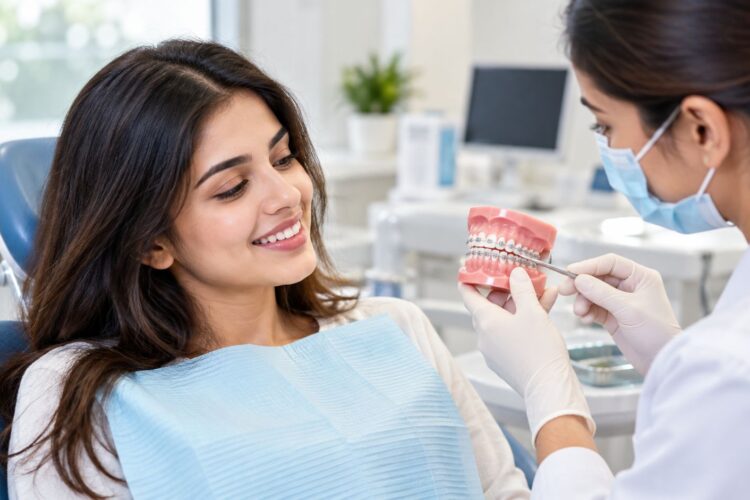
A healthy smile is about more than having straight teeth. The position of your teeth and jaws can influence how effectively you bite, chew, clean your mouth, and maintain healthy gums. When teeth are crowded, rotated, spaced too far apart, or affected by an improper bite, maintaining good oral hygiene can become more challenging.
This is where an orthodontist can play an important role.
An orthodontist is a dental specialist who focuses on diagnosing, preventing, and treating irregularities involving tooth alignment, jaw position, and bite. Orthodontic treatment can help create a healthier and more functional relationship between your teeth and jaws while also improving the appearance of your smile.
If you are considering orthodontic treatment, consulting an experienced orthodontist in Delhi can help you understand whether braces, clear aligners, or another treatment option is suitable for your needs.
What Does an Orthodontist Do?
An orthodontist evaluates the alignment of your teeth and jaws and identifies problems that may affect your bite, oral function, and long-term dental health.
Common concerns treated by orthodontists include:
- Crowded teeth
- Crooked or rotated teeth
- Gaps between teeth
- Overbite
- Underbite
- Crossbite
- Open bite
- Incorrect jaw alignment
- Teeth that are difficult to clean because of their position
- Certain developmental alignment problems in children and teenagers
Orthodontic treatment may involve traditional braces, ceramic braces, clear aligners, retainers, or other orthodontic appliances depending on the individual’s condition.
The objective is not simply to make teeth look straighter. Proper orthodontic treatment aims to establish a more balanced bite and tooth position that can support better oral function and hygiene.
1. Straight Teeth Can Be Easier to Clean
One of the most important ways orthodontic treatment can support oral health is by improving tooth alignment.
Crowded or overlapping teeth can create small areas that are difficult to reach with a toothbrush or dental floss. Plaque and food particles may accumulate in these areas, increasing the risk of cavities and gum problems.
When teeth are appropriately aligned, brushing and flossing may become easier and more effective.
However, it is important to remember that orthodontic treatment does not automatically prevent dental problems. Good brushing, flossing, professional dental cleanings, and regular dental check-ups remain essential.
2. Orthodontic Treatment Can Support Gum Health
Poorly positioned teeth can make it difficult to maintain healthy gums.
When plaque accumulates around crowded or overlapping teeth, the surrounding gums may become inflamed. Persistent plaque buildup can contribute to gingivitis and, if left untreated, may increase the risk of more serious periodontal problems.
By improving tooth positioning, orthodontic treatment can make certain areas easier to access during daily oral hygiene.
An orthodontist will also consider the health of your teeth and gums before starting treatment. Existing dental problems may need to be addressed before orthodontic appliances are placed.
3. It Can Improve Your Bite
Your upper and lower teeth should come together in a coordinated way when you bite and chew.
Problems such as an overbite, underbite, crossbite, or open bite can affect how the teeth meet.
Depending on the individual case, an improper bite may contribute to:
- Difficulty chewing certain foods
- Uneven contact between teeth
- Excessive wear on particular teeth
- Difficulty maintaining certain areas of the mouth
- Jaw discomfort in some patients
- Functional problems with biting
An orthodontist assesses your bite and develops a treatment plan designed to improve the relationship between the teeth and jaws.
4. It May Help Reduce Uneven Tooth Wear
When teeth do not meet properly, some teeth may experience greater pressure or contact than others.
Over time, this can contribute to uneven tooth wear in certain situations.
Orthodontic treatment can help establish a more balanced bite by improving tooth positioning and alignment. The exact benefits depend on the patient’s existing bite, dental condition, age, and treatment plan.
It is important to understand that orthodontics is not a solution for every cause of tooth wear. Your dentist or orthodontist must first determine why the wear is occurring.
5. Orthodontics Can Improve Chewing Function
Your teeth work together as a system.
Incisors help bite and cut food, while premolars and molars contribute significantly to grinding and chewing. When teeth are severely misaligned or the bite is affected, chewing may become less efficient.
Orthodontic treatment can improve the alignment and relationship of the teeth, potentially supporting more comfortable and effective chewing.
For patients with significant bite discrepancies, orthodontic evaluation can be especially valuable.
6. It Can Help Address Certain Jaw and Bite Problems
Orthodontists do not only focus on individual teeth. They also evaluate how the upper and lower jaws relate to one another.
Some bite problems are primarily related to tooth positioning, while others involve jaw growth and development.
For growing children and teenagers, early orthodontic assessment can sometimes help identify developing alignment or bite problems. Depending on the condition, an orthodontist may recommend monitoring, early intervention, or treatment at a later stage.
Adults can also benefit from orthodontic assessment. Orthodontic treatment is not limited to childhood or adolescence.
7. Better Alignment Can Make Daily Oral Hygiene More Practical
A major advantage of properly aligned teeth is that routine oral hygiene may become more manageable.
Consider a severely crowded area where one tooth overlaps another. It may be difficult to position the toothbrush correctly or pass floss between the teeth.
After orthodontic correction, the improved spacing and positioning may allow better access to these surfaces.
That does not mean orthodontic treatment replaces oral hygiene. In fact, patients wearing braces or aligners need to be particularly consistent with their dental care during treatment.
8. Orthodontic Treatment Can Complement Preventive Dentistry
Orthodontics works best as part of comprehensive dental care.
Your orthodontist focuses on tooth and bite alignment, while your general dentist monitors your overall oral health, including:
- Cavities
- Gum health
- Tooth sensitivity
- Existing restorations
- Dental infections
- Oral hygiene
- Preventive care
In many cases, coordination between your orthodontist and general dentist provides a more complete approach to maintaining your oral health.
Braces vs Clear Aligners: Which Is Better for Oral Health?
Both braces and clear aligners can be used to correct many orthodontic problems, but the appropriate option depends on the patient’s specific condition.
Traditional Braces
Braces use brackets, wires, and other components to gradually move teeth into planned positions.
They may be recommended for a wide range of orthodontic problems, including more complex tooth movements.
However, braces can make cleaning more challenging because food and plaque can accumulate around brackets and wires. Patients therefore need to pay close attention to brushing and interdental cleaning.
Clear Aligners
Clear aligners are removable orthodontic appliances designed to gradually move teeth.
One potential advantage is that they can be removed during brushing and flossing, allowing patients to clean their teeth without orthodontic appliances in the way.
However, aligners must be worn according to the orthodontist’s instructions, and patients still need excellent oral hygiene habits.
The best treatment is not necessarily the one that looks most convenient. An orthodontist should determine which approach is clinically appropriate for your specific dental condition.
Does Orthodontic Treatment Improve Oral Health in Adults?
Yes, adults can benefit from orthodontic treatment when tooth alignment or bite problems are affecting their oral function or making dental hygiene difficult.
Adult orthodontic treatment may address:
- Crowded teeth
- Relapse after previous orthodontic treatment
- Gaps
- Bite problems
- Tooth positioning before restorative treatment
- Alignment concerns affecting oral hygiene
Before treatment begins, an orthodontist will typically evaluate the health of the teeth, gums, bone support, and existing dental restorations.
Healthy foundations are important for predictable orthodontic treatment.
How Long Does Orthodontic Treatment Take?
Treatment duration varies significantly from one person to another.
Factors that can influence treatment time include:
- Severity of crowding
- Type of bite problem
- Tooth movement required
- Patient’s age
- Bone and gum health
- Treatment method
- Patient compliance
- Attendance at scheduled appointments
Some mild cases may require relatively short treatment, while more complex cases can take considerably longer.
Your orthodontist can provide a more realistic estimate after examining your teeth and developing a personalized treatment plan.
Why Retainers Are Important After Orthodontic Treatment
Finishing braces or aligner treatment does not necessarily mean your orthodontic journey is over.
Teeth can naturally shift over time. Retainers help maintain the positions achieved during active orthodontic treatment.
Your orthodontist may recommend a specific retainer type and wearing schedule based on your individual case.
Following those instructions is an important part of protecting your orthodontic results.
When Should You Visit an Orthodontist?
You may consider an orthodontic consultation if you notice:
- Teeth that overlap or appear crowded
- Large gaps between teeth
- Difficulty biting or chewing
- An obvious overbite or underbite
- Teeth that do not meet properly
- Frequent difficulty cleaning certain areas
- Teeth that have shifted after previous orthodontic treatment
- Concerns about your child’s developing bite
You do not necessarily need to wait until a problem becomes severe. An orthodontic evaluation can help identify potential concerns and explain whether treatment is necessary.
How to Maintain Oral Health During Orthodontic Treatment
If you are undergoing orthodontic treatment, maintaining your daily dental routine becomes especially important.
Brush Thoroughly
Brush twice daily using a fluoride toothpaste. If you have braces, take additional care around brackets, wires, and the gumline.
Clean Between Your Teeth
Depending on your orthodontic appliance, your dentist or orthodontist may recommend floss, interdental brushes, or other cleaning aids.
Limit Frequent Sugary Foods and Drinks
Frequent sugar exposure can increase the risk of tooth decay, particularly when orthodontic appliances make cleaning more difficult.
Attend Regular Dental Check-ups
Orthodontic appointments are not a substitute for routine dental examinations and professional cleaning.
Follow Your Orthodontist’s Instructions
Wear aligners or elastics as directed, attend scheduled appointments, and follow appliance-care instructions to keep treatment progressing as planned.
Why Choosing the Right Orthodontist Matters
Orthodontic treatment involves moving teeth and managing the relationship between the teeth and jaws. Because every patient’s anatomy and treatment requirements are different, individualized diagnosis and planning are important.
When searching for the Best orthodontist in Delhi, look beyond promotional claims. Consider factors such as:
- Professional qualifications and orthodontic training
- Experience with your specific orthodontic concern
- Diagnostic and treatment-planning approach
- Range of treatment options
- Clear communication about treatment expectations
- Follow-up and retention planning
- Overall dental and gum health assessment
A good orthodontic consultation should give you a clear understanding of your condition, available options, expected treatment process, and oral hygiene requirements.
Orthodontic Care at Green Park Dental
At Green Park Dental, orthodontic care can be approached as part of your overall oral health rather than focusing only on cosmetic tooth alignment.
The goal of orthodontic treatment is to create a healthier relationship between your teeth and bite while considering factors such as oral hygiene, dental health, function, and long-term stability.
If you are concerned about crowded teeth, gaps, crooked teeth, bite problems, or teeth that are difficult to clean, an orthodontic consultation can help you understand whether treatment may be appropriate for you.
Frequently Asked Questions
What is the main purpose of orthodontic treatment?
Orthodontic treatment aims to improve the alignment of teeth and the relationship between the upper and lower jaws. It can address problems involving crowding, spacing, and bite alignment while supporting better oral function.
Can braces improve oral hygiene?
Braces do not directly improve oral hygiene. However, correcting significant tooth crowding or poor alignment may make certain tooth surfaces easier to clean after treatment. During orthodontic treatment, careful oral hygiene is particularly important.
Is orthodontic treatment only for children?
No. Adults can also undergo orthodontic treatment. Braces and clear aligners may be appropriate for adults depending on their teeth, gums, bone support, bite, and overall dental health.
Are clear aligners better than braces?
Neither option is universally better. The appropriate treatment depends on the orthodontic problem, required tooth movements, treatment goals, and patient compliance. An orthodontist can recommend the most suitable option after an examination.
Can an orthodontist treat an overbite?
Yes. Orthodontists routinely evaluate and treat various bite problems, including overbites. The treatment approach depends on the severity and underlying cause of the bite issue.
Why do I need a retainer after braces?
Retainers help maintain the tooth positions achieved during active orthodontic treatment. Without appropriate retention, teeth may gradually shift over time.
Can orthodontic treatment prevent cavities?
Orthodontic treatment itself does not prevent cavities. Good oral hygiene, fluoride use, a balanced diet, regular dental examinations, and professional cleaning remain essential for preventing tooth decay.
Final Takeaway
Orthodontic treatment is about more than achieving a straighter smile. Properly planned treatment can help improve tooth alignment, bite function, access for oral hygiene, and overall dental function.
Whether you are considering braces, clear aligners, or simply want to understand whether your bite needs correction, an evaluation by an experienced orthodontist in Delhi can help you make an informed decision.
At Green Park Dental, the focus should be on creating an individualized treatment plan that considers both the appearance and health of your smile.
A healthier smile starts with understanding how your teeth, gums, and bite work together.
