
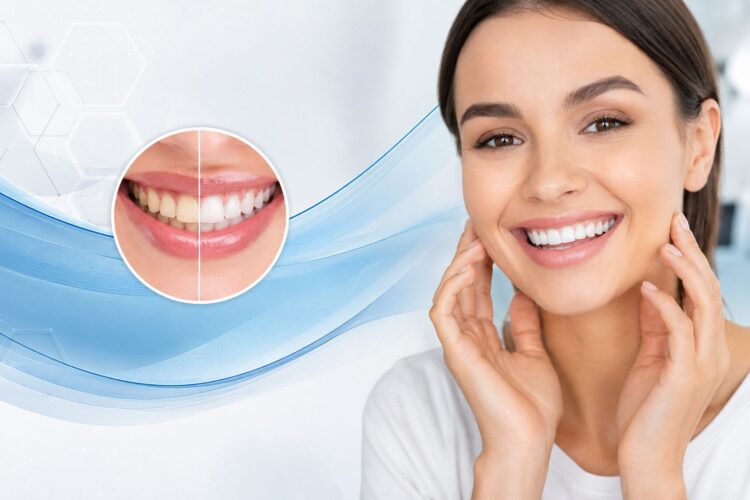
A bright, confident smile can make a lasting impression. However, over time, teeth can become stained or yellow due to food, beverages, tobacco use, ageing, and certain oral health conditions. Fortunately, modern teeth whitening treatments can help improve the appearance of discoloured teeth safely and effectively.
If you are considering Teeth Whitening in Delhi, understanding the available options, benefits, safety, and aftercare can help you make an informed decision. At Green Park Dental, teeth whitening is approached with a focus on oral health, patient comfort, and natural-looking results.
What Is Teeth Whitening?
Teeth whitening is a cosmetic dental treatment designed to reduce stains and discoloration from the surface of the teeth and, depending on the treatment, from deeper layers of the tooth.
Professional whitening treatments generally use specially formulated whitening agents to break down stains. The treatment selected depends on the condition of your teeth, the type of discoloration, and your desired results.
It is important to remember that teeth whitening is not the same as simply cleaning your teeth. A professional dental cleaning removes plaque and tartar, while whitening focuses primarily on improving the colour of the teeth.
What Causes Teeth to Become Discoloured?
Several factors can affect the natural colour of your teeth.
1. Food and Drinks
Regular consumption of coffee, tea, cola, red wine, and certain strongly coloured foods can gradually stain the teeth.
2. Tobacco Use
Smoking and other forms of tobacco can cause noticeable yellow or brown staining over time.
3. Ageing
As we age, the outer enamel can naturally become thinner. This may make the naturally darker dentin underneath more visible.
4. Poor Oral Hygiene
Inadequate brushing and flossing can allow plaque and surface stains to build up, making teeth appear dull or darker.
5. Certain Medications or Dental Conditions
Some medications and conditions can cause internal tooth discoloration. These stains may not respond to conventional whitening in the same way as surface stains.
A dental professional can assess the cause of discoloration before recommending a suitable treatment.
What Are the Different Teeth Whitening Options?
There is no single whitening method that is suitable for everyone. Common options include:
Professional In-Clinic Whitening
Professional whitening performed under dental supervision can provide noticeable results in a controlled clinical setting. The dentist protects the gums and surrounding tissues while applying the whitening material according to the treatment plan.
This option can be suitable for people looking for faster cosmetic improvement.
Dentist-Supervised Take-Home Whitening
Your dentist may provide customised whitening trays and professional-grade whitening material for use at home.
Because the trays are designed to fit your teeth, they can provide more controlled contact with the whitening material compared with many over-the-counter products.
Whitening Toothpaste
Whitening toothpastes can help remove some surface stains through gentle polishing ingredients. However, they generally cannot produce the same degree of whitening as professional treatments.
They are more suitable for maintaining a clean and brighter appearance rather than dramatically changing the natural colour of the teeth.
Benefits of Professional Teeth Whitening
Choosing professional whitening under dental guidance offers several potential benefits:
- Helps reduce visible tooth stains
- Can improve the overall appearance of your smile
- Treatment can be tailored to your needs
- Dental professionals can identify underlying oral health issues
- The whitening process can be monitored for safety
- Professional options may provide more noticeable results than regular whitening toothpaste
However, the final result varies from person to person depending on the original tooth colour, type of staining, enamel condition, and treatment method.
Is Teeth Whitening Safe?
When performed appropriately and after evaluating your oral health, professional teeth whitening is generally considered a safe cosmetic dental procedure.
Some people may experience temporary tooth sensitivity or mild gum irritation following whitening. These effects usually improve after treatment.
However, whitening may not be appropriate if you have untreated cavities, significant gum disease, cracked teeth, or other dental problems. A dentist should evaluate these concerns before starting cosmetic treatment.
Who Is a Good Candidate for Teeth Whitening?
Teeth whitening may be suitable for adults who have healthy teeth and gums and want to improve the appearance of stained or discoloured teeth.
However, whitening does not work equally well on every type of discoloration. For example, stains caused by certain medications, dental trauma, or changes within the tooth may require alternative cosmetic treatments.
A consultation with a dentist can help determine whether whitening is the right choice for you.
How Long Does Teeth Whitening Take?
The treatment time depends on the whitening method used and the level of discoloration.
In-clinic treatments may be completed in a relatively short appointment, while dentist-supervised home whitening usually requires repeated applications over a specified period.
Your dentist can explain the expected treatment duration and likely results after examining your teeth.
How Long Do Teeth Whitening Results Last?
Teeth whitening results are not permanent. Over time, teeth can become stained again because of diet, tobacco use, ageing, and oral hygiene habits.
You can help maintain your results by:
- Brushing twice a day with fluoride toothpaste
- Flossing or cleaning between your teeth regularly
- Limiting frequent consumption of highly staining foods and drinks
- Rinsing your mouth with water after staining beverages
- Avoiding tobacco products
- Maintaining regular dental check-ups and professional cleanings
Following your dentist’s aftercare recommendations can also help extend the appearance of your whitening results.
Can You Whiten Sensitive Teeth?
People with sensitive teeth may still be able to undergo whitening, but the treatment should be planned carefully.
Your dentist may recommend addressing existing sensitivity before whitening or selecting a gentler whitening approach. Using whitening products without professional guidance can sometimes make sensitivity worse.
If you already experience sensitivity to hot, cold, or sweet foods, tell your dentist before beginning treatment.
Why Choose Professional Teeth Whitening in Delhi?
With many whitening products available today, it can be difficult to know which option is appropriate for your teeth.
Choosing professional Teeth Whitening in Delhi allows your dental health to be assessed before cosmetic treatment. A dentist can identify the reason for discoloration, discuss realistic expectations, and recommend an appropriate whitening method.
At Green Park Dental, the focus is on combining cosmetic improvement with proper dental care. Instead of treating tooth colour alone, your dentist can assess your overall oral health and help you choose a suitable approach.
Teeth Whitening vs. Dental Cleaning: What’s the Difference?
These two treatments are often confused, but they serve different purposes.
Dental cleaning removes plaque, tartar, and certain surface deposits that can make teeth look dull or stained.
Teeth whitening uses whitening agents to lighten the colour of natural teeth and reduce certain types of discoloration.
If your teeth look yellow because of plaque or tartar buildup, a professional cleaning may be recommended before considering whitening.
What Should You Do Before Teeth Whitening?
Before starting treatment, a dental examination is important. Your dentist may check for:
- Cavities
- Gum disease
- Tooth sensitivity
- Cracks or damaged teeth
- Existing dental restorations
- The type and severity of discoloration
Treating existing dental problems first can help make cosmetic treatment safer and more predictable.
Frequently Asked Questions About Teeth Whitening
Is teeth whitening permanent?
No. Teeth whitening results gradually fade as teeth are exposed to staining foods, drinks, tobacco, and normal ageing. Good oral hygiene and professional maintenance can help preserve the results.
Does teeth whitening damage enamel?
Professional whitening performed according to dental guidelines is generally considered safe. However, inappropriate use or overuse of whitening products may increase sensitivity or cause irritation.
Can yellow teeth become white again?
Many types of yellow or stained teeth can be lightened with appropriate whitening treatment. However, the amount of improvement depends on the cause and depth of the discoloration.
Is professional teeth whitening better than home remedies?
Professional treatment is generally more controlled and can be customised according to your oral health and type of staining. Some home remedies may be ineffective or potentially harmful to enamel and gums.
Can fillings and crowns be whitened?
Whitening products primarily affect natural tooth structure. Existing fillings, crowns, veneers, and other restorations generally do not change colour in the same way as natural teeth. Your dentist can discuss suitable options if you have visible restorations.
How can I keep my teeth white after treatment?
Maintain good brushing and flossing habits, limit staining foods and drinks, avoid tobacco, and attend regular dental check-ups and cleanings.
Get Expert Advice Before Whitening Your Teeth
A brighter smile starts with healthy teeth and gums. Before choosing a whitening treatment, it is important to understand why your teeth are discoloured and which treatment is appropriate for you.
If you are looking for Teeth Whitening in Delhi, Green Park Dental can help you understand your options and create a treatment approach based on your dental needs and cosmetic goals.
Book a dental consultation with Green Park Dental to find out whether professional teeth whitening is right for your smile.
