
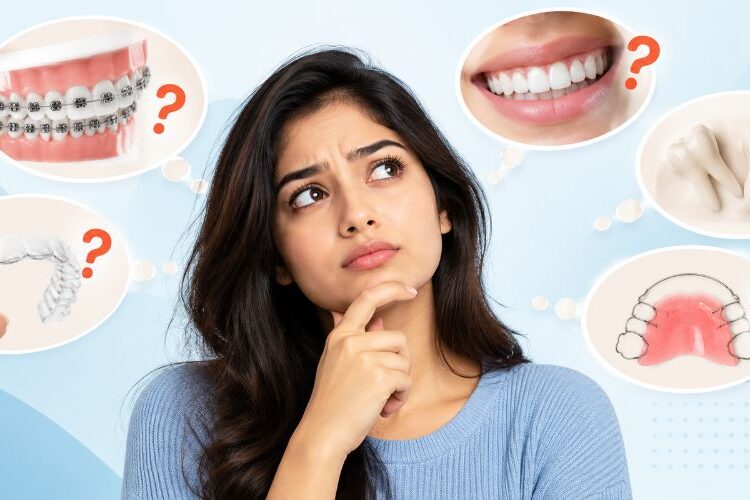
A healthy, confident smile can make a meaningful difference in how you feel about yourself. However, misconceptions about braces, clear aligners, and orthodontic treatment often prevent people from seeking the dental care they may need. Some believe braces are only for children, while others assume orthodontic treatment is purely cosmetic or always painful.
These common beliefs can create unnecessary hesitation and may cause people to delay an orthodontic assessment.
The truth is that orthodontics focuses on more than straightening teeth. It also addresses the alignment of the teeth and jaws, helping improve bite function and supporting long-term oral health when treatment is clinically indicated.
At Green Park Dental Clinic, understanding your treatment options begins with accurate information and an individual assessment. If you are considering braces or clear aligners, consulting an experienced Orthodontist in Delhi can help you understand your dental concerns and the treatment options appropriate for your needs.
Let’s separate five common orthodontic myths from the facts so you can make informed decisions about your smile.
Myth 1: Orthodontic Treatment Is Only for Children and Teenagers
The truth: Adults can benefit from orthodontic treatment too.
One of the most common misconceptions is that braces are suitable only for children and teenagers. Although adolescence is a common time to begin orthodontic treatment, adults can also receive treatment when their teeth, gums, and supporting bone are healthy enough for the planned tooth movement.
Adult orthodontic treatment may address several concerns, including:
- Crooked or crowded teeth
- Gaps between teeth
- Overbites, underbites, and crossbites
- Certain bite-related difficulties
- Teeth that have shifted over time
Modern orthodontic options include traditional metal braces, ceramic braces, and clear aligners for suitable cases. The most appropriate choice depends on the complexity of the tooth movement required, your bite, oral health, and personal preferences.
However, adults may need additional attention to gum health, existing dental restorations, bone support, and other oral health conditions before treatment begins.
Why this myth matters: Delaying an assessment simply because you believe you are too old for braces could prevent you from exploring suitable treatment options.
If you are looking for an Orthodontist in Delhi, ask about the available treatments, expected duration, and any oral health concerns that should be addressed before starting.
Myth 2: Braces Are Always Painful
The truth: Some discomfort is common, but it is usually manageable.
The thought of pain can make people nervous about orthodontic treatment. While braces and aligners can cause temporary discomfort, this does not mean the entire treatment process will be painful.
You may experience mild pressure, tenderness, or sensitivity after braces are fitted or adjusted. Clear aligners can also cause temporary pressure when you start wearing a new set. These sensations are often related to the gradual movement of teeth.
The level of discomfort varies between individuals and may depend on the treatment stage, the appliance used, and personal sensitivity.
Here are some practical ways to manage mild orthodontic discomfort:
- Choose softer foods for the first few days after an adjustment if chewing feels uncomfortable.
- Follow your orthodontist’s instructions for cleaning and caring for your appliance.
- Use orthodontic wax if braces irritate the inside of your cheeks or lips.
- Contact your dental professional if discomfort persists, becomes severe, or is accompanied by swelling or other concerning symptoms.
Avoid adjusting wires, removing brackets, or modifying aligners yourself. Do not take pain medication without checking whether it is appropriate for you, especially if you have existing medical conditions or take other medicines.
Why this myth matters: Fear of pain should not be the only factor guiding your decision. A consultation can help you understand what to expect and how discomfort will be managed throughout treatment.
Myth 3: Orthodontic Treatment Is Only About Improving Appearance
The truth: Orthodontics can address both appearance and bite function.
A straighter smile is one of the most visible outcomes of orthodontic treatment, but it is not the only consideration.
Orthodontic assessment examines how the upper and lower teeth fit together, how the jaws relate to each other, and whether tooth alignment creates functional difficulties.
Depending on the individual case, treatment may help address:
- Crowded or overlapping teeth that are difficult to clean
- Certain bite problems that affect biting or chewing
- Uneven tooth contact
- Some alignment-related challenges with oral hygiene
- The positioning of teeth as part of a broader dental treatment plan
Correcting selected alignment problems may make daily brushing and flossing easier. However, orthodontic treatment does not automatically prevent cavities, gum disease, or other dental problems. Good oral hygiene and regular dental care remain essential.
It is also important to understand that not every minor alignment issue requires treatment. An orthodontist can assess whether treatment offers a meaningful functional or dental health benefit in your particular case.
Why this myth matters: Focusing only on the cosmetic outcome may cause you to overlook bite problems or other concerns worth discussing with a dental professional.
A comprehensive evaluation with an Orthodontist in Delhi can help determine whether orthodontic treatment is appropriate for your dental health and smile goals.
Myth 4: Braces Take Too Long to Work
The truth: Treatment duration depends on your individual orthodontic needs.
Many people assume that wearing braces means committing to several years of treatment. In reality, orthodontic treatment duration varies considerably from one patient to another.
Some cases involving limited tooth movement may be completed relatively quickly, while complex cases involving significant crowding, bite correction, or jaw-related concerns may require a longer treatment period.
Factors that influence treatment duration include:
- The severity and type of misalignment
- The complexity of the bite problem
- The type of orthodontic appliance selected
- The patient’s age and individual biological response
- Attendance at scheduled appointments
- Compliance with instructions, particularly when using removable aligners
- Oral health complications or treatment interruptions
Your orthodontist will estimate the likely duration after examining your teeth and developing a treatment plan. The estimate may change if your teeth respond differently than expected or if additional dental treatment becomes necessary.
It is important not to rush treatment simply to achieve a faster cosmetic result. Moving teeth too aggressively can increase the risk of complications. The objective is controlled, clinically appropriate tooth movement.
Why this myth matters: Understanding your likely treatment timeline can help you plan appointments, work commitments, school schedules, and other daily activities.
When visiting an Orthodontist in Delhi, ask for an estimated treatment duration, the expected frequency of appointments, and what you can do to keep treatment progressing as planned.
Myth 5: Clear Aligners Are Always Better Than Traditional Braces
The truth: The best option depends on your teeth, bite, and treatment goals.
Clear aligners have become a popular option because they are transparent and removable. However, they are not necessarily the best choice for every patient.
Traditional braces use brackets and wires to apply controlled forces to the teeth. Clear aligners use a series of custom-made trays to guide tooth movement.
Both approaches can be effective when selected for an appropriate case and supervised by a qualified dental professional.
Clear aligners may suit patients who:
- Prefer a less noticeable orthodontic appliance
- Can wear removable aligners as prescribed
- Have alignment concerns that can be managed predictably with aligners
- Want the flexibility to remove their appliance for eating and cleaning
Traditional braces may suit patients who:
- Need more comprehensive control of certain tooth movements
- Have complex alignment or bite problems
- May struggle to wear removable aligners consistently
- Require an appliance that remains attached throughout treatment
The suitability of either option depends on a clinical examination and a personalised treatment plan. Some cases may be treated with either method, while others may be better managed using a particular appliance or a combination of approaches.
Clear aligners are not a shortcut to treatment, and they still require careful monitoring. Patients must wear them for the prescribed number of hours, maintain excellent oral hygiene, and attend follow-up appointments.
Why this myth matters: Choosing an appliance based only on appearance or online advertising may not address your actual dental needs.
At Green Park Dental Clinic, patients considering braces or clear aligners can discuss their concerns with the dental team and explore options based on clinical suitability.
How Can You Choose the Right Orthodontic Treatment?
Once you understand the facts behind these myths, the next step is to arrange a professional assessment if you have concerns about your teeth or bite.
Here are five useful points to consider before beginning treatment.
- Choose an appropriately qualified professional. Look for a dental professional with recognised orthodontic qualifications and experience relevant to your needs. You can ask about specialist training and the clinician who will oversee your treatment.
- Understand your diagnosis. Ask what type of alignment or bite problem you have, whether treatment is recommended, and what alternatives are available.
- Discuss the benefits and risks. Orthodontic treatment may involve discomfort, difficulty maintaining oral hygiene, gum inflammation, white spot lesions, root resorption, or relapse. Your clinician should explain the risks relevant to your case and how they will be monitored.
- Ask about the complete treatment plan. Discuss estimated duration, follow-up visits, costs, possible additional procedures, and the need for retainers after active treatment.
- Commit to oral hygiene and follow-up care. Brush carefully, clean around your appliance, follow dietary instructions, and attend scheduled appointments. After treatment, wear retainers as instructed to help maintain your results.
These steps can help you make a more informed decision and set realistic expectations before starting treatment.
Why Consider Green Park Dental Clinic for Orthodontic Care?
Green Park Dental Clinic, located in Green Park Extension, New Delhi, has provided dental services since 1977 and lists orthodontic care among its services. The clinic’s published team information includes Dr. S. P. Aggarwal and Dr. Ankur Aggarwal, both of whom have orthodontic qualifications listed on the clinic website.
The clinic provides information about braces and orthodontic options, including ceramic braces, lingual braces, and clear aligners. The suitability of any treatment depends on individual assessment and clinical needs.
Frequently Asked Questions About Orthodontic Treatment
1. At what age should someone visit an orthodontist?
An initial orthodontic assessment is generally recommended by around age seven, even if all permanent teeth have not erupted. This does not mean every child needs braces at that age. The purpose is to identify developing alignment or jaw concerns and determine whether monitoring or early treatment is appropriate.
Adults can also benefit from orthodontic treatment when their oral health and clinical circumstances permit it.
2. Are braces better than clear aligners?
Neither option is universally better. Braces may be suitable for a wider range of complex tooth movements, while clear aligners offer a removable and less noticeable alternative for suitable cases. Your orthodontist can recommend an option based on your bite, alignment, oral health, and ability to follow treatment instructions.
3. How long does orthodontic treatment take?
Treatment can take several months to a few years, depending on the complexity of the case, the appliance used, and the patient’s response to treatment. Your orthodontist can provide an individual estimate after an examination and treatment planning.
4. Can orthodontic treatment damage teeth?
Orthodontic treatment does not automatically damage teeth, but it carries risks. Poor oral hygiene during treatment can contribute to tooth decay, gum inflammation, and permanent white spot lesions. Root resorption and other complications can also occur. Appropriate treatment planning, monitoring, and oral hygiene help manage these risks.
5. Do I need to wear retainers after braces?
Yes, retainers are generally recommended after active orthodontic treatment. Teeth can gradually shift over time, so following your orthodontist’s retainer instructions is important for maintaining alignment. The type of retainer and recommended wear schedule depend on your individual case.
6. How do I find an Orthodontist in Delhi?
Look for a clinician with appropriate orthodontic qualifications, experience in managing your type of dental concern, and a clear approach to diagnosis, treatment planning, and follow-up. Ask about available treatment options, expected costs, possible risks, and long-term retention.
7. Is orthodontic treatment necessary if my teeth look straight?
Not necessarily. Straight-looking teeth do not always indicate a bite problem, and minor irregularities do not automatically require correction. An orthodontic assessment can help determine whether there are functional or dental health concerns that warrant treatment.
Conclusion: Make Informed Decisions About Your Smile
Orthodontic myths can create unnecessary fear, unrealistic expectations, or confusion about the right time to seek dental care. The facts are straightforward: adults can receive orthodontic treatment, some discomfort is normal, orthodontics can address functional concerns as well as appearance, treatment duration varies, and clear aligners are not suitable for every case.
The best treatment decision starts with an accurate diagnosis, an understanding of the benefits and risks, and a plan tailored to your individual needs.
If you have concerns about crooked teeth, gaps, crowding, or an uneven bite, consider arranging an assessment with an appropriately qualified orthodontic professional. Green Park Dental Clinic provides orthodontic services and can be contacted to discuss consultation options.
Medically Reviewed By: Dr. Ankur Aggarwal
Qualifications: BDS, MDS (Orthodontics)
Specialty: Orthodontics
